Procedural Generation Mechanics Shaping Long Term Engagement Patterns in Web Delivered Cooperative Navigation and Targeting Titles
Xander Braun · Jul 22, 2026
Procedural Generation Mechanics Shaping Long Term Engagement Patterns in Web Delivered Cooperative Navigation and Targeting Titles
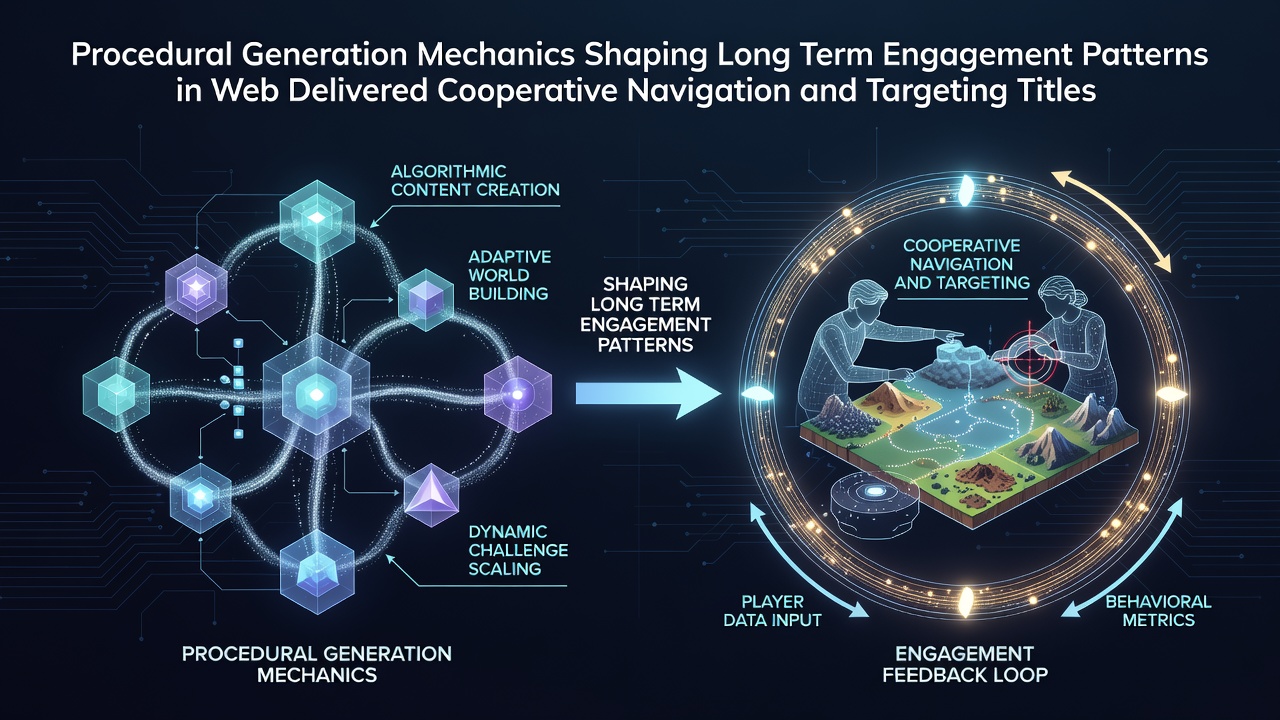
Procedural generation creates game worlds through algorithms rather than fixed designs, and this approach directly influences how players return to cooperative navigation and targeting experiences delivered through web browsers. Research indicates that variable terrain layouts, enemy placements, and resource distributions keep group sessions fresh even after dozens of playthroughs, because each run presents new spatial problems that demand fresh coordination between navigation routes and precision targeting.
Core Mechanics of Procedural Systems in Browser Environments
Algorithms generate maps by combining seed values with rule sets that control elevation changes, obstacle density, and target zones, and these systems run efficiently enough to load instantly in standard browsers without downloads. Data from industry reports shows that such generation maintains consistent frame rates across devices while delivering unique configurations each time a cooperative session begins. Players often discover that route optimization tasks shift based on newly placed chokepoints, forcing teams to recalculate paths on the fly and assign targeting roles dynamically.
Navigation challenges arise when terrain features like narrow passes or elevated platforms appear in unexpected locations, and targeting requirements intensify when procedural rules cluster objectives near hazards. Observers note that these intertwined elements create feedback loops where successful navigation opens clearer lines of sight for targeting, whereas poor route choices increase exposure and demand tighter synchronization among team members.
Patterns of Sustained Player Involvement Over Time
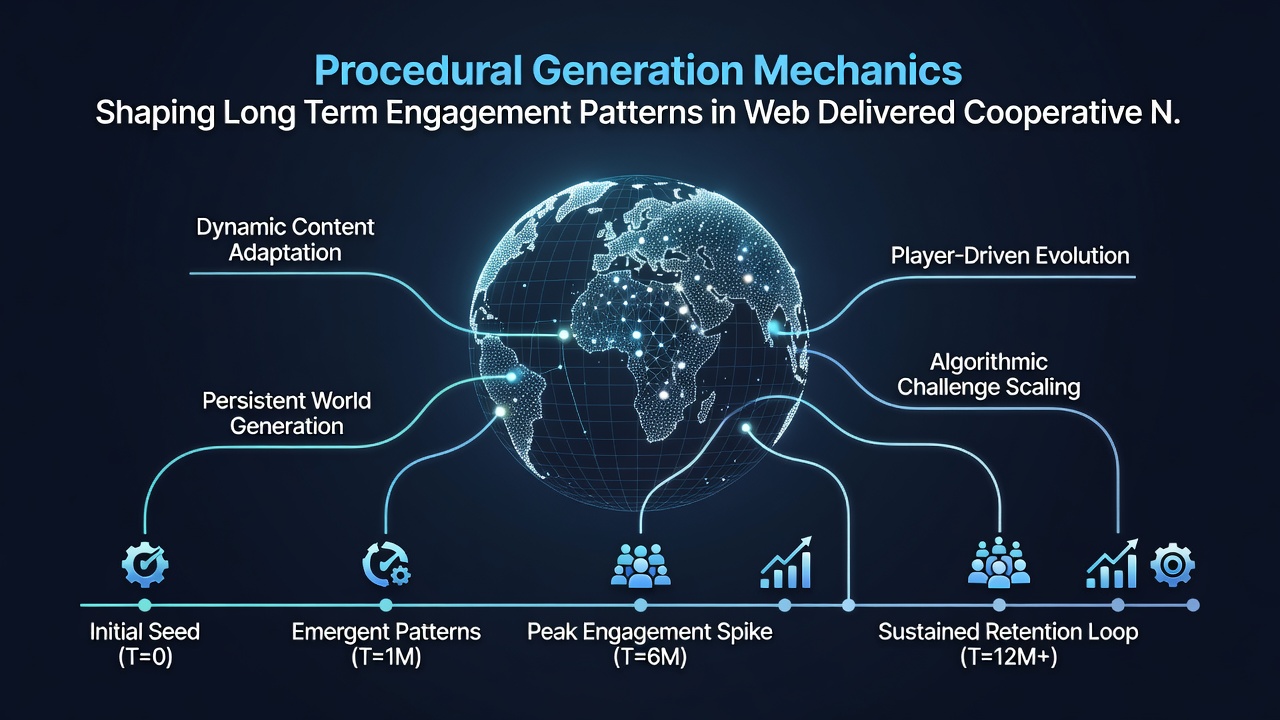
Long term engagement emerges when procedural variety prevents repetition fatigue, and figures reveal that sessions lasting beyond thirty minutes increase when map seeds produce balanced difficulty rather than extreme clusters of obstacles. Studies conducted through university research programs have tracked player return rates and found that cooperative groups maintain higher weekly participation when procedural rules adapt slightly based on prior session performance metrics, such as average completion time or targeting accuracy.
One analysis of browser hosted titles demonstrated that teams encountering repeated similar layouts showed measurable drops in session duration after two weeks, whereas groups facing consistent but unpredictable generation sustained involvement for months. Resource distribution frameworks embedded in the generation code further shape these patterns by placing ammunition caches or health pickups in positions that reward coordinated exploration rather than solo dashes.
Coordination Demands and Adaptation Across Sessions
Teams develop shared mental models for handling procedural uncertainty, and researchers have observed that groups assign roles based on emerging map features rather than fixed preferences. For example, one member might focus on scouting navigation options while another pre aims targeting sequences toward likely objective clusters. Latency compensation methods integrated into web platforms help preserve this coordination even when connection speeds vary, allowing procedural changes to register simultaneously for all participants.
Input sequence optimization becomes critical when generation places time sensitive targets behind moving barriers, and data indicates that groups practicing adaptive callouts maintain higher success rates over extended play periods. The ball is in the developers court when balancing generation parameters so that new layouts challenge communication skills without overwhelming browser performance limits.
Recent Developments Observed Through Mid 2026
By July 2026, several platforms had introduced generation layers that incorporate collective performance data from previous expeditions, adjusting hazard density and target spacing to match group skill curves. According to reports from the Interactive Games and Entertainment Association, these refinements correlate with extended retention metrics across cooperative navigation and targeting titles. Academic papers from Canadian institutions further document how such responsive systems reduce early drop off rates by keeping difficulty curves aligned with team progression.
Interface layouts that display shared procedural previews have also gained traction, letting players review generated elements together before committing to routes. This addition supports collective problem solving without altering the core generation rules that drive variety.
Conclusion
Procedural generation mechanics continue to define engagement trajectories in web delivered cooperative navigation and targeting titles by supplying endless spatial and tactical combinations that reward ongoing coordination. Evidence from multiple tracking studies confirms that well tuned algorithms sustain participation through balanced variety, while poorly calibrated systems accelerate disengagement. Those who monitor these patterns see clear connections between generation parameters and the duration plus frequency of group sessions across browser platforms.