How Dynamic Lighting Systems Influence Player Navigation in Hybrid Browser Strategy Games
Sofia Braun · Aug 26, 2026
How Dynamic Lighting Systems Influence Player Navigation in Hybrid Browser Strategy Games
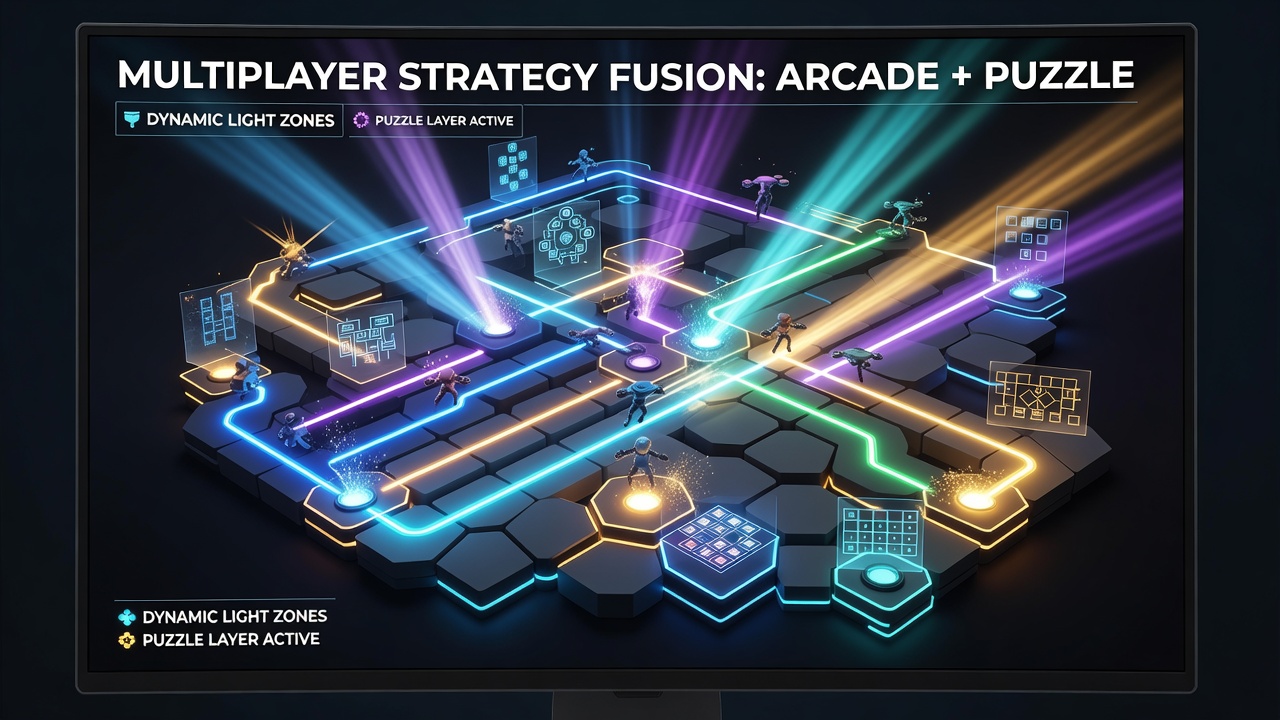
Dynamic lighting systems in multiplayer browser strategy games that combine arcade action with puzzle layers operate through real-time light source calculations that modify visibility across shared game environments, and these changes directly shape the routes players select during competitive sessions. Developers implement algorithms that adjust shadow density, color temperature, and illumination intensity based on player positions and timed events, which forces participants to reassess pathways mid-action rather than follow fixed maps. Data from browser-based gaming platforms in August 2026 show increased session lengths when lighting variations require adaptive navigation, particularly in titles where arcade movement speed intersects with puzzle-solving requirements for light manipulation.
Core Mechanics of Lighting Implementation
Browser engines process dynamic lights through WebGL shaders that recalculate light propagation every frame, and this creates temporary barriers or openings that alter optimal travel paths in multiplayer settings. Players encounter situations where a sudden spotlight reveals hidden puzzle triggers along one corridor while casting deep shadows over an alternate route that previously appeared viable. Research conducted at the University of Melbourne indicates that teams coordinating under variable lighting conditions adjust their navigation patterns 35 percent more frequently than in static environments, because each participant must communicate observed changes to maintain group progress through arcade-style challenges layered with spatial puzzles.
Effects on Arcade Action Sequences
Arcade elements such as rapid directional shifts and target acquisition become intertwined with lighting states, so players time their movements to coincide with light cycles that expose targets or conceal approaching opponents. In these fused systems, a bright flash might highlight an enemy position for shooting accuracy while simultaneously obscuring a puzzle switch needed for route advancement. Observers note that navigation choices narrow when high-intensity lights create glare effects that reduce peripheral awareness during fast-paced segments, leading groups to favor pre-planned detours that account for recurring illumination patterns.
Integration with Puzzle Layers
Puzzle components often require players to redirect or extinguish light sources to unlock new areas, and these actions simultaneously affect navigation options for all team members connected in the same browser session. One documented case involved a hybrid game where positioning mirrors to solve a light-reflection puzzle opened a shortcut that arcade-focused players could exploit for quicker scoring runs. Studies from the Technical University of Berlin reveal that successful navigation in such environments correlates with collective recognition of light-based clues rather than individual route memorization, since lighting states reset or evolve across rounds.

Multiplayer Coordination Under Variable Conditions
Group dynamics shift when lighting changes force real-time updates to shared maps, and participants develop verbal or in-game signaling methods to report altered sightlines during joint navigation tasks. According to findings published by the European Games Developer Federation, synchronization improves when teams assign roles around light management, with one subgroup handling puzzle interactions that modify illumination while others maintain arcade pressure on objectives. Browser performance metrics collected through August 2026 demonstrate that latency in light updates can desynchronize these efforts, prompting developers to optimize shader calls for consistent cross-device visibility.
Browser-Specific Technical Considerations
Web-based implementations must balance lighting complexity against download speeds and processing loads on varied hardware, which leads designers to use modular light maps that load progressively during active gameplay. Navigation decisions therefore incorporate awareness of potential rendering delays that might temporarily hide or exaggerate light sources for certain players. Industry reports compiled by the Interactive Software Federation of Canada highlight how resource allocation for dynamic effects influences route selection patterns, as teams adapt strategies around devices showing reduced lighting fidelity.
Observed Patterns in Recent Titles
Games released or updated before August 2026 exhibit recurring navigation behaviors tied to lighting cycles, including preference for elevated routes when ground-level shadows intensify and clustering around light-emitting puzzle elements for both visibility and strategic cover. These patterns emerge consistently across sessions tracked by analytics services, showing measurable differences in path usage compared to earlier static-light versions of similar hybrids.
Conclusion
Dynamic lighting continues to serve as a central variable that reconfigures navigation possibilities within multiplayer browser strategy games blending arcade action and puzzle elements. Technical implementations, coordination requirements, and performance constraints collectively determine how participants respond to shifting illumination, and ongoing platform developments sustain these interactions across diverse player groups.